
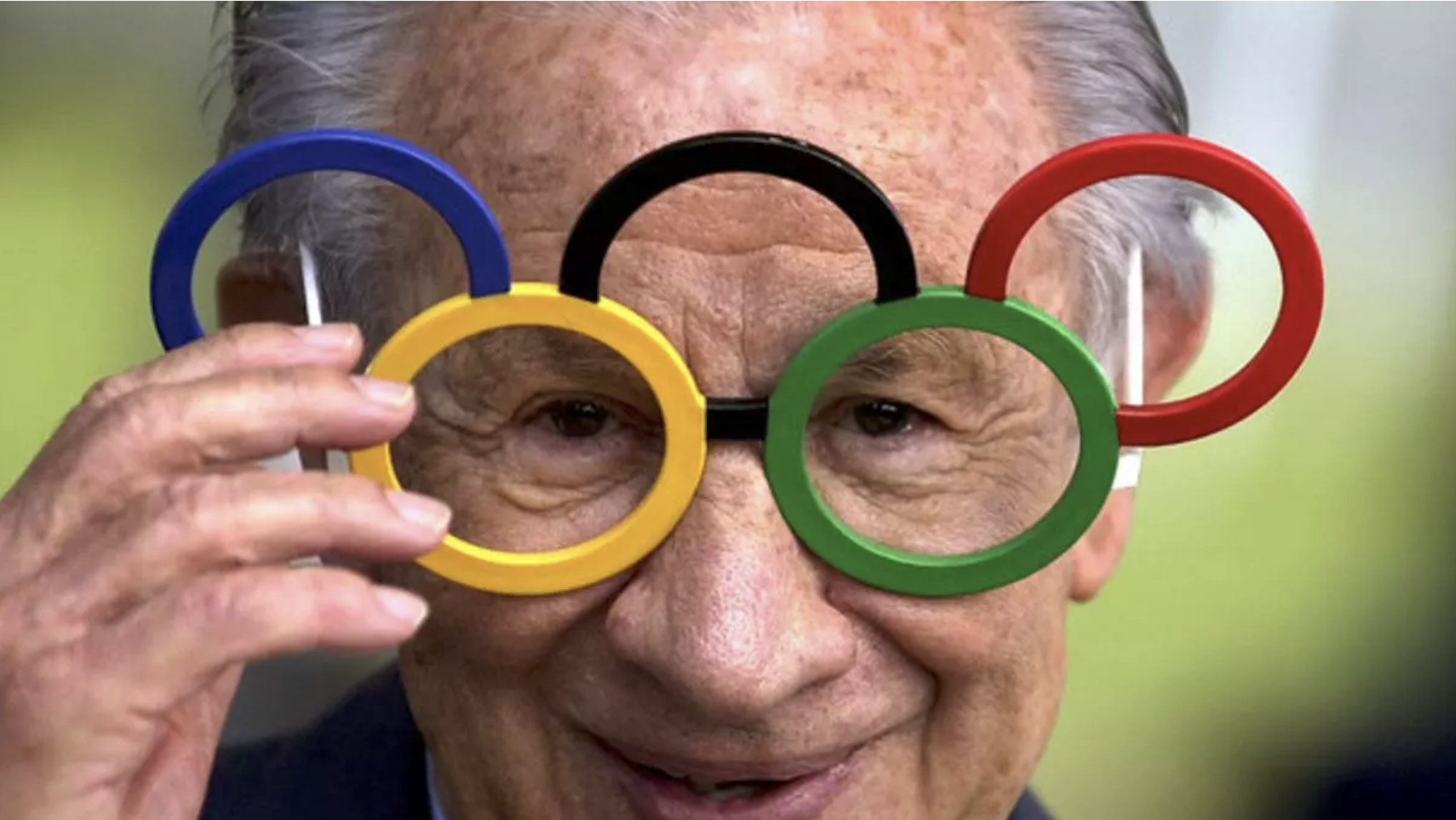
Barcelona native Joan Antoni Samaranch was elected President of the IOC on 16 July 1980, during the 83rd IOC Session held in Moscow. He succeeded the Irishman Lord Killanin at the head of an organization that was going through a period of institutional and economic weakness, and served as President for 21 years, until 2001.
Under his leadership, the Olympic Movement underwent a profound transformation that can be summed up in four major areas.
Bringing women into Olympic governing bodies
In 1981, at the Baden-Baden Olympic Congress, Samaranch championed the election of the first two women members in the IOC’s history: Venezuelan Flor Isava-Fonseca and Finnish Pirjo Häggman. It was the first step in a process that, decades later, has led the Olympic Movement toward gender parity in participation at the Games.
Television rights
Samaranch professionalised and globalised the negotiation of broadcasting rights for the Olympic Games, turning them into the IOC’s main source of revenue and securing unprecedented worldwide coverage of the event.
Sponsorship programme
Under his presidency, the global sponsorship programme TOP (The Olympic Partners) was created, linking major international brands to the Olympic Movement and securing its long-term financial stability.
Modernisation and institutional consolidation
Samaranch also put an end to the political boycotts that had marked the 1976, 1980 and 1984 Games, opened the door to professional athletes, and restored the finances of an IOC that, in 1980, stood on the brink of bankruptcy.
A legacy rooted in Catalonia
Samaranch —born in Barcelona in 1920 and connected to the city throughout his life— represents one of the most decisive Catalan contributions to the recent history of world Olympism. His presidency made possible, among other milestones, the designation of Barcelona as host city of the 1992 Olympic Games, still regarded today as a landmark in Olympic history, and placed Catalonia at the centre of the international sporting map. The Museu Olímpic i de l’Esport Joan Antoni Samaranch, which bears his name, preserves and shares this legacy as an essential part of the country’s sporting memory.