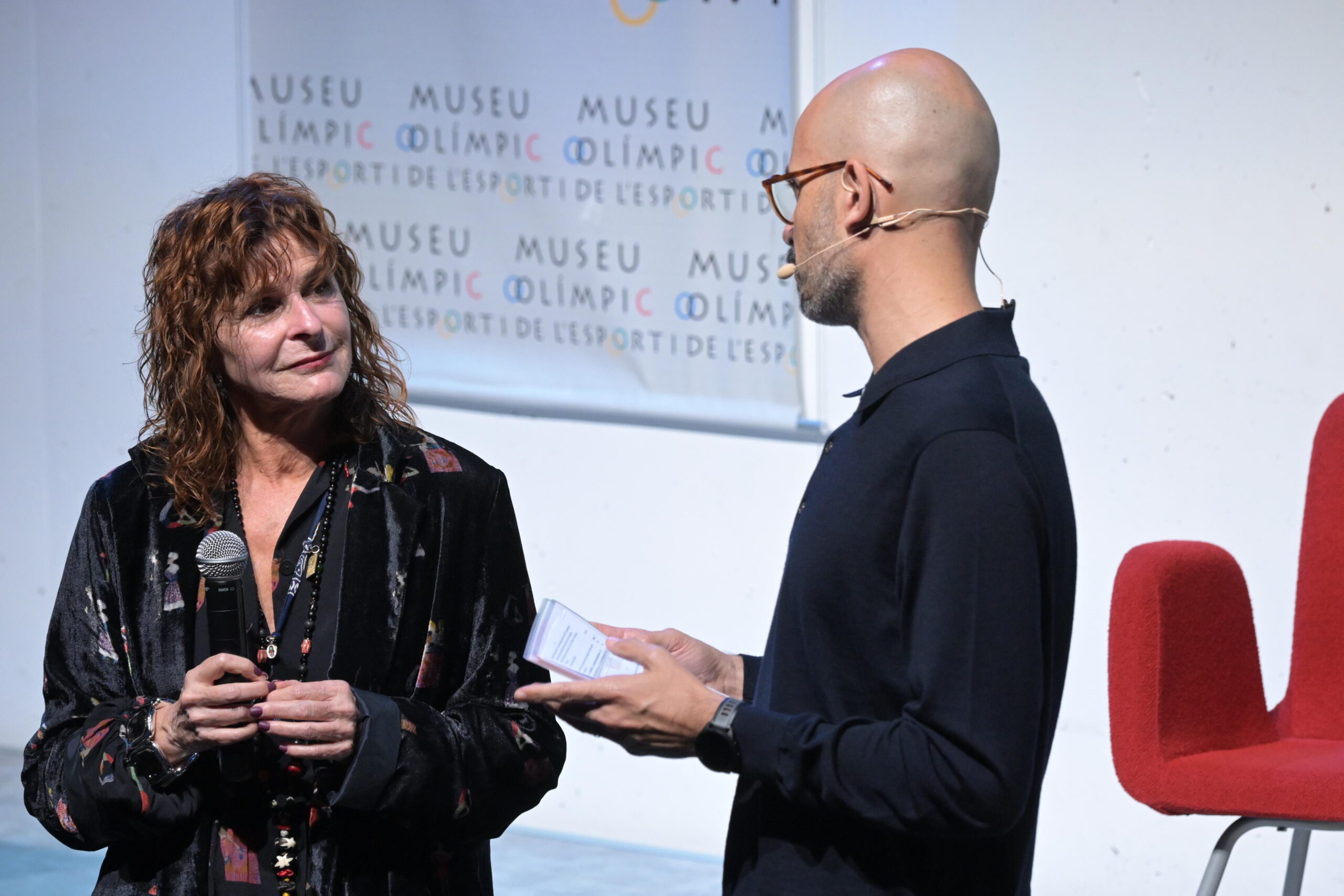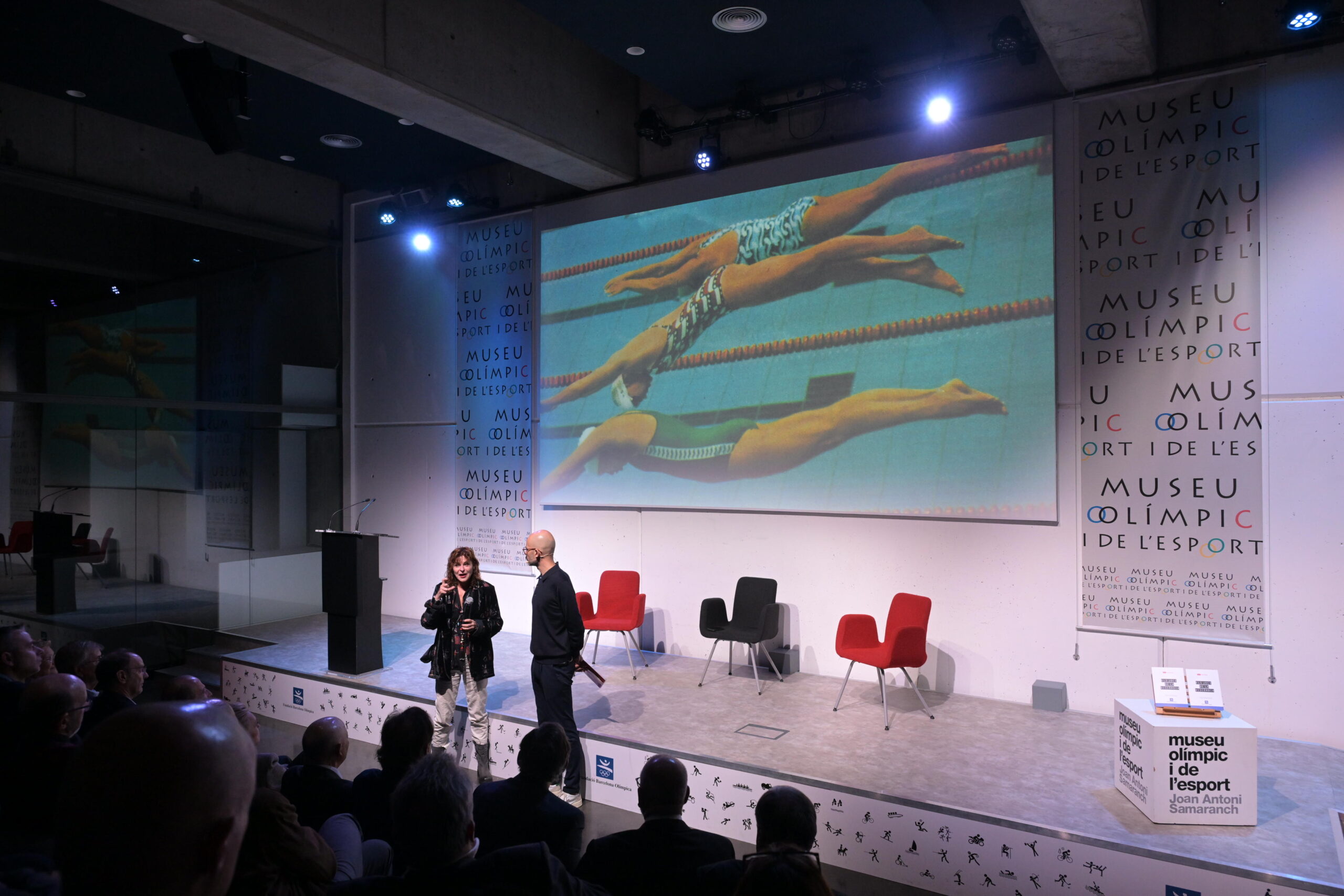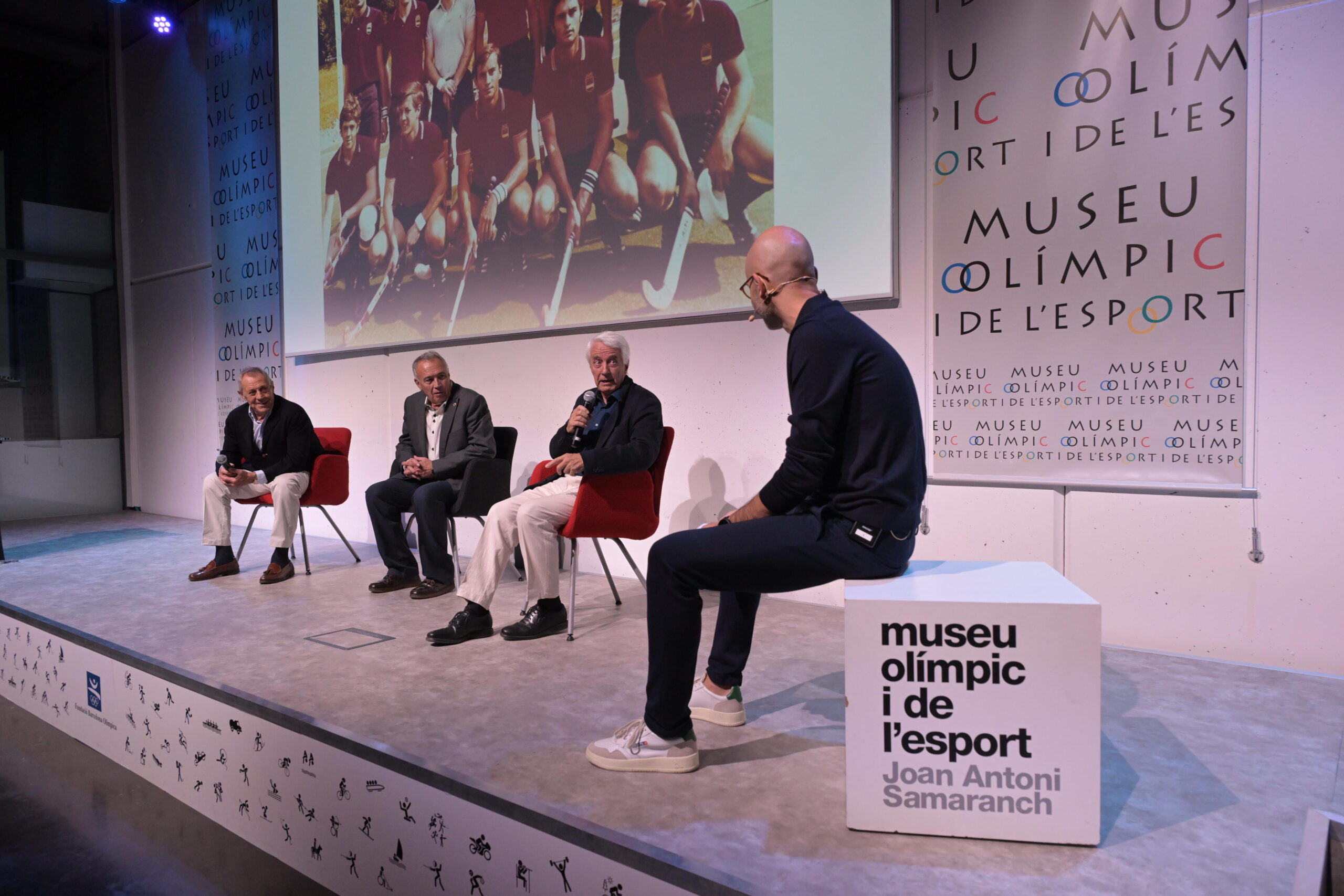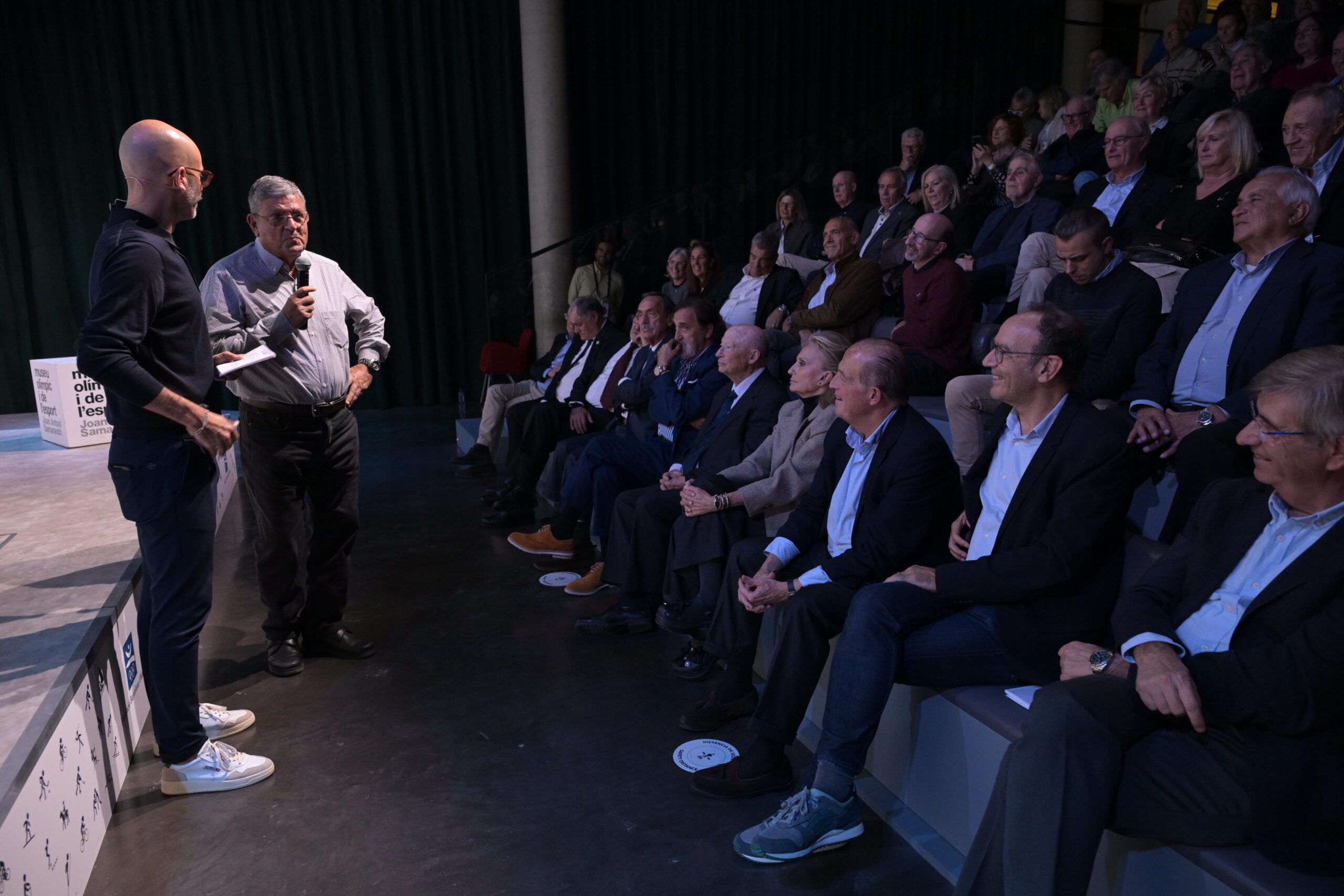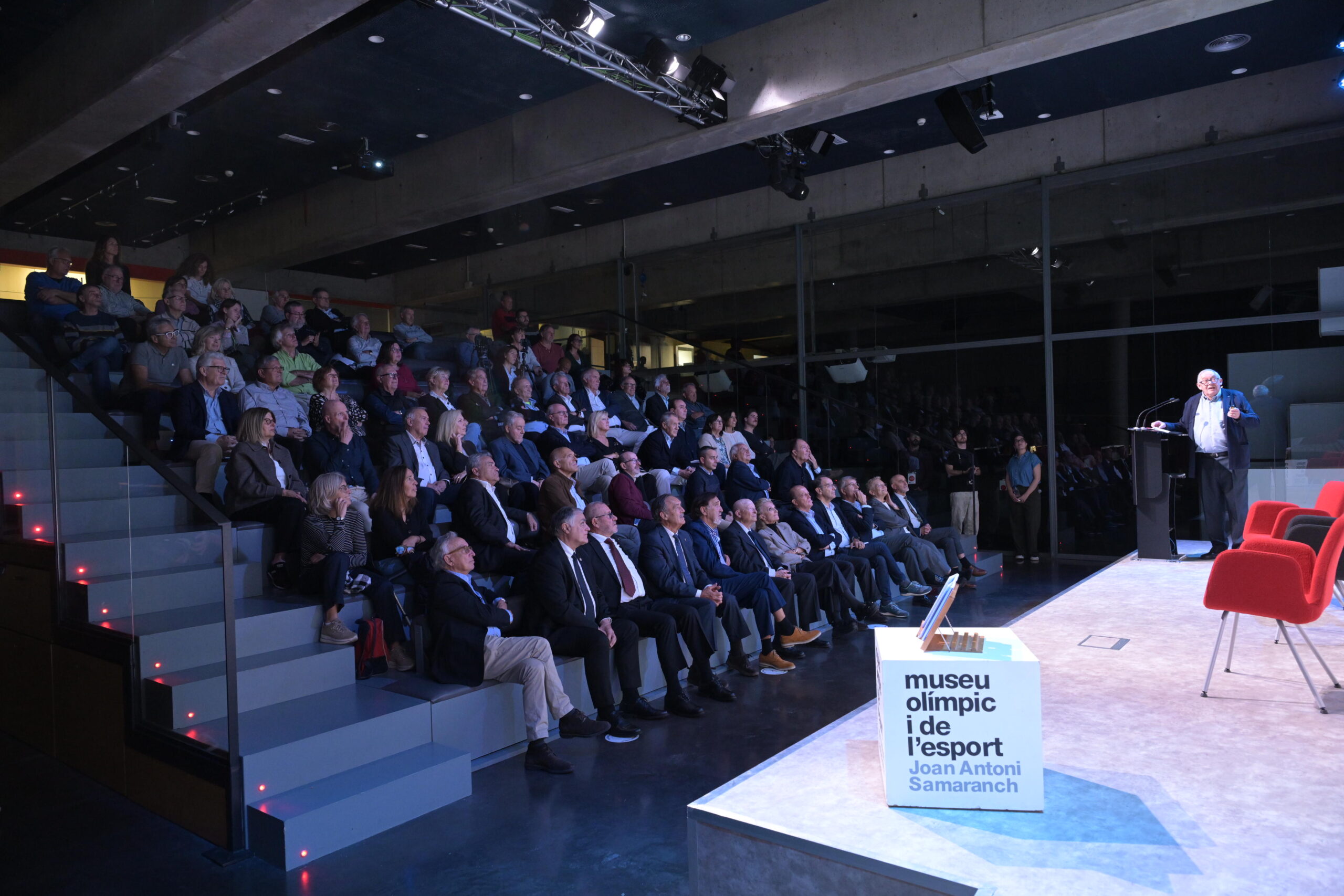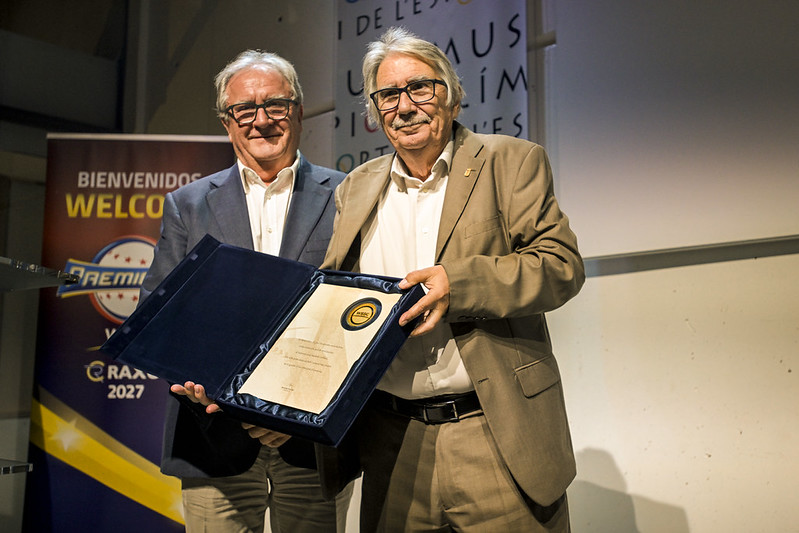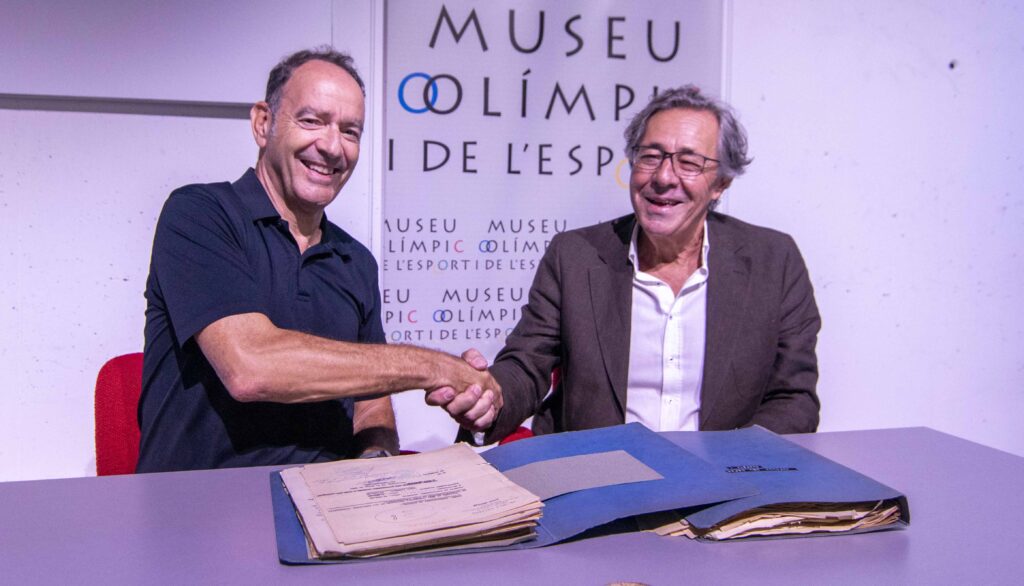
The Fundació Barcelona Olímpica presented the book “Els Jocs de la Discòrdia”, by Joan Manel Surroca, at an event with Olympic medallists from Montreal 1976 and other participants in that edition
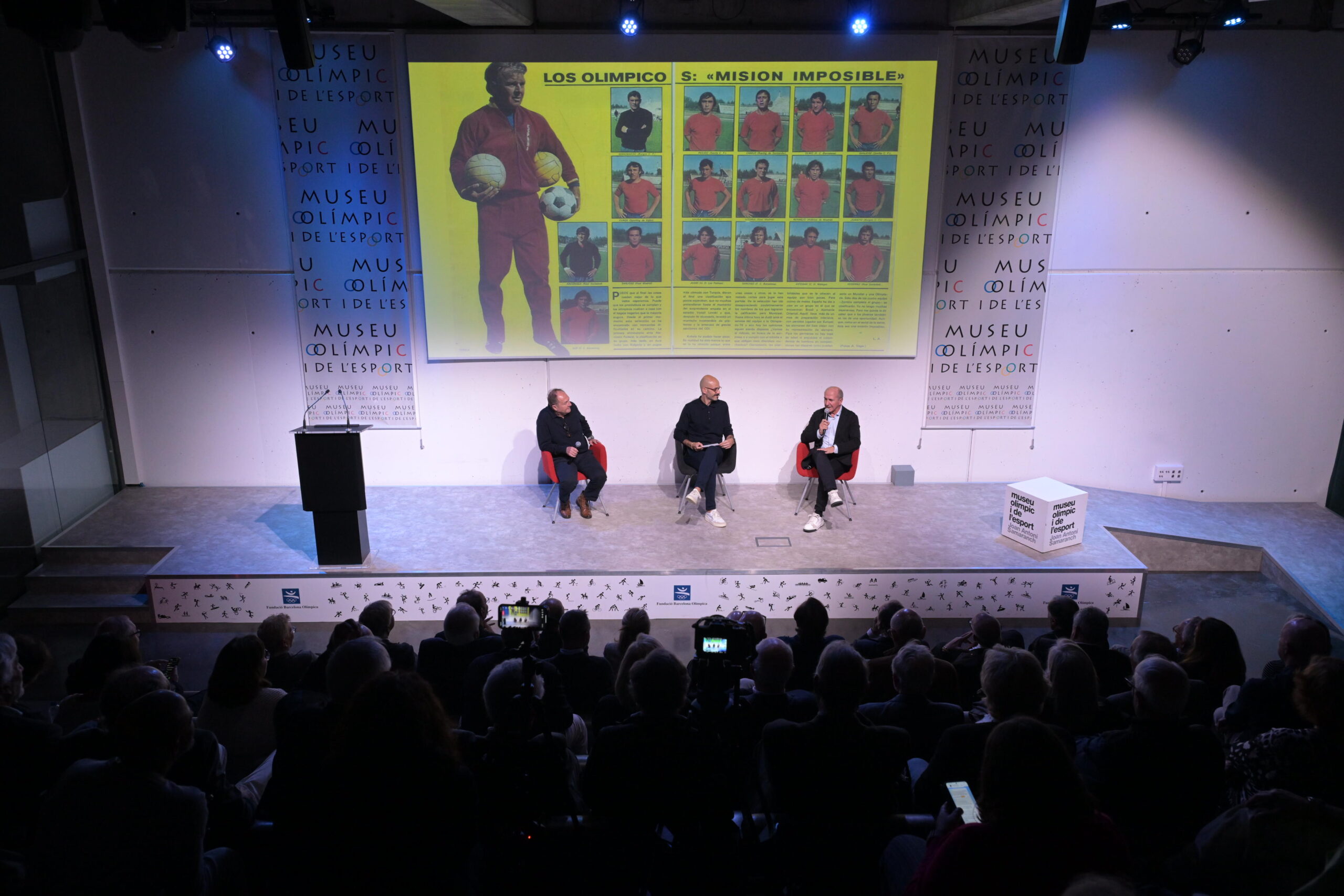
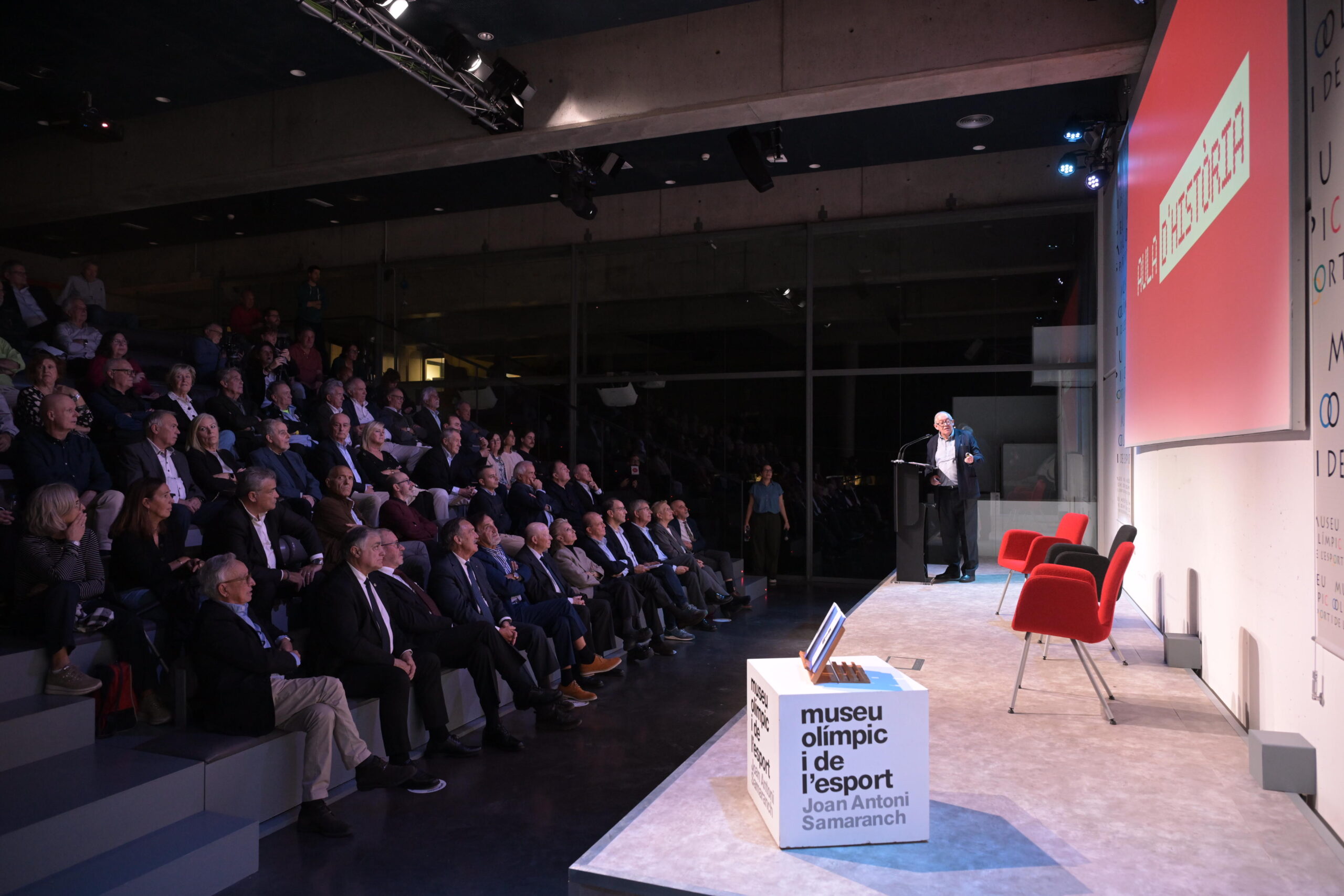
The Auditori of the Museu Olímpic i de l’Esport Joan Antoni Samaranch hosted a gathering to remember and recognise the athletes of the 1976 Games, as part of the Aula d’Història project of the Fundació Barcelona Olímpica and in the context of the 50th anniversary of the Games.
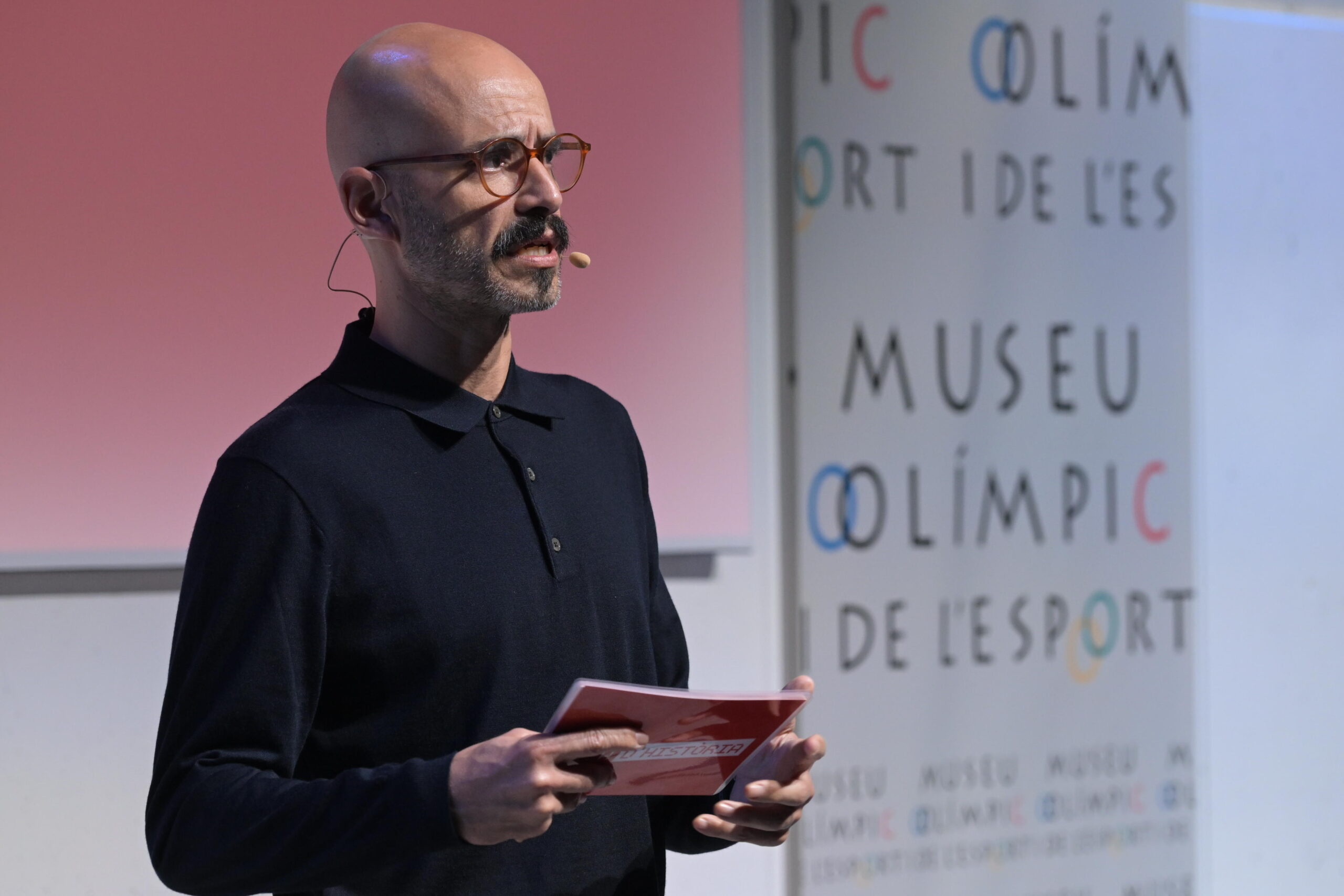
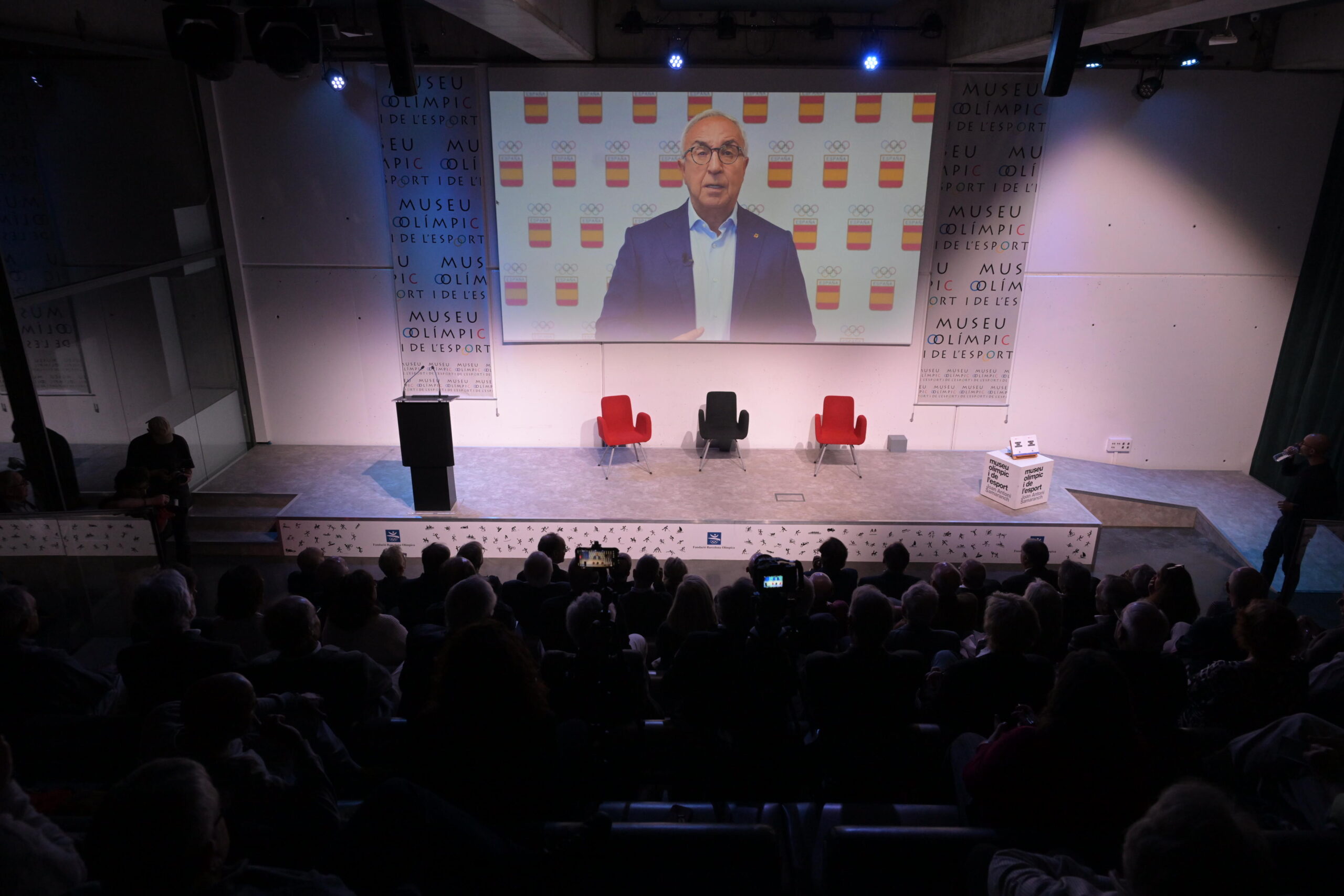
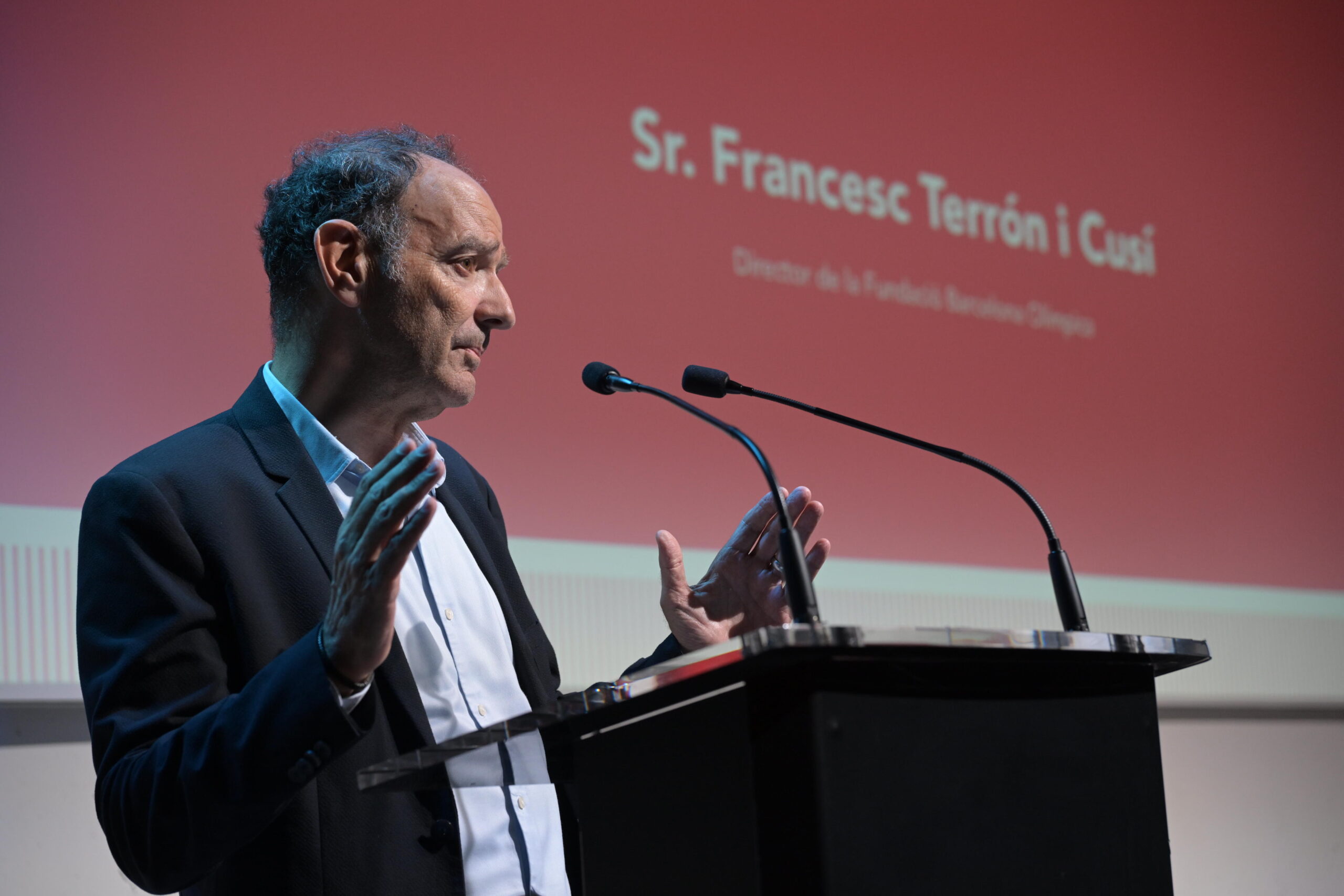
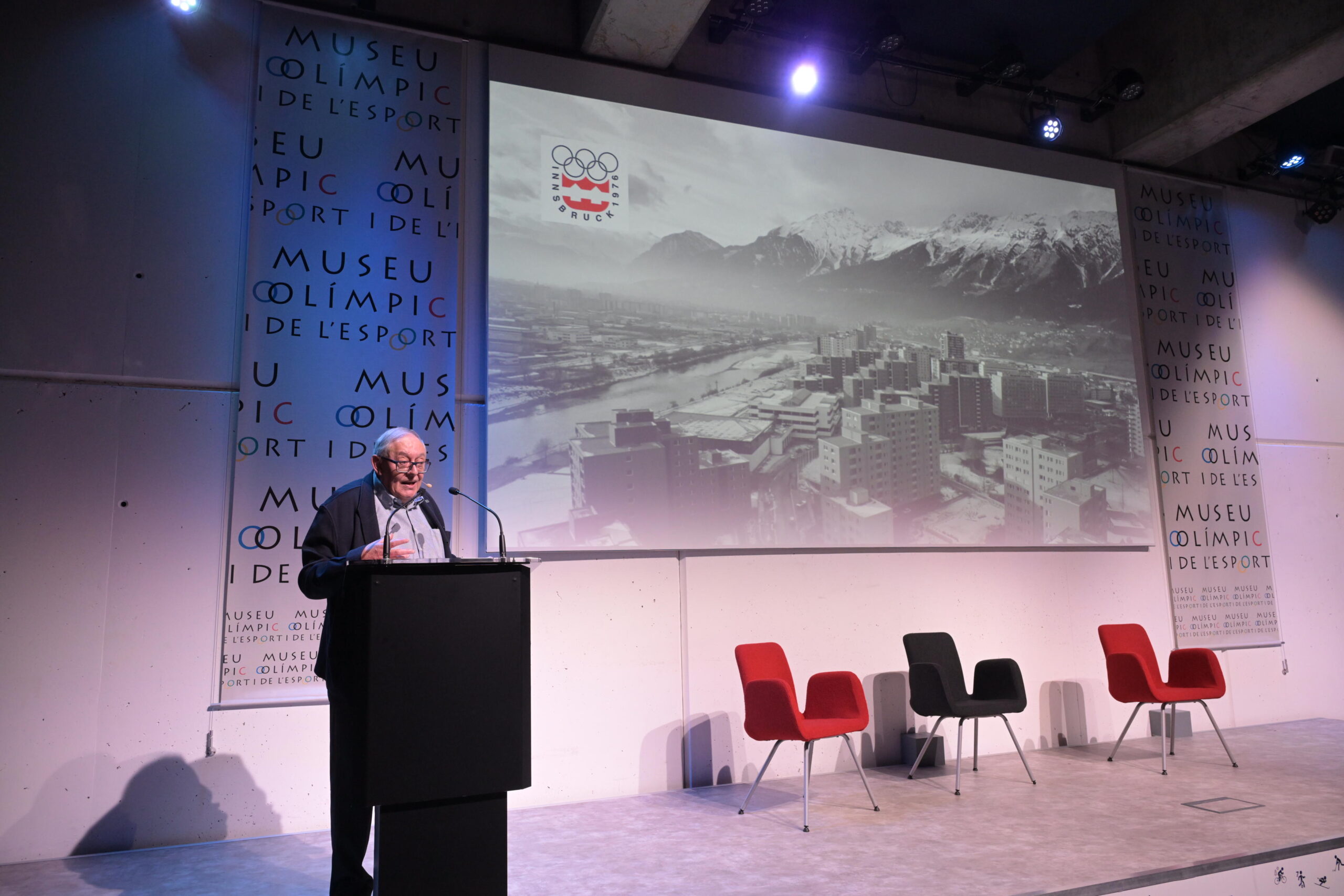
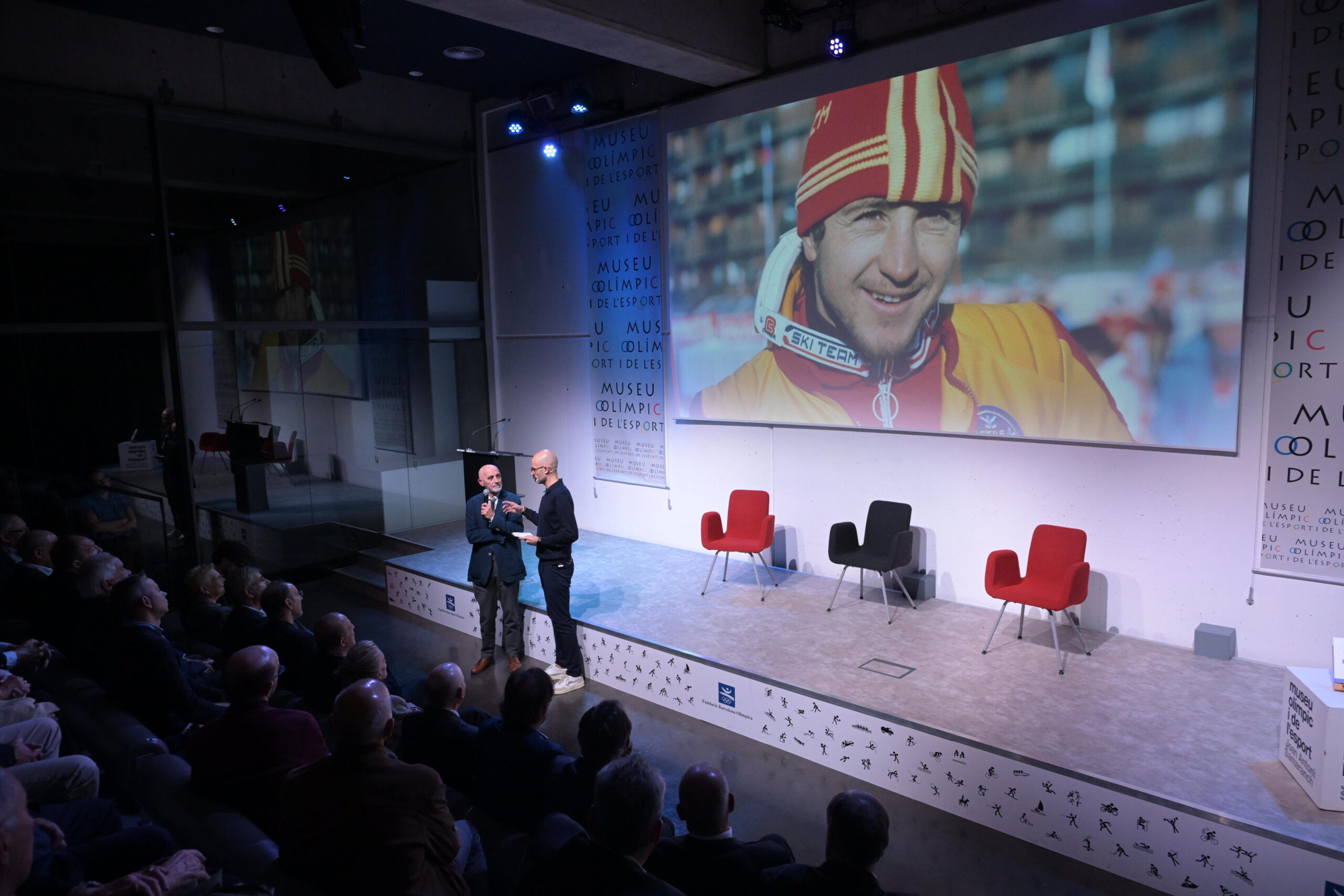
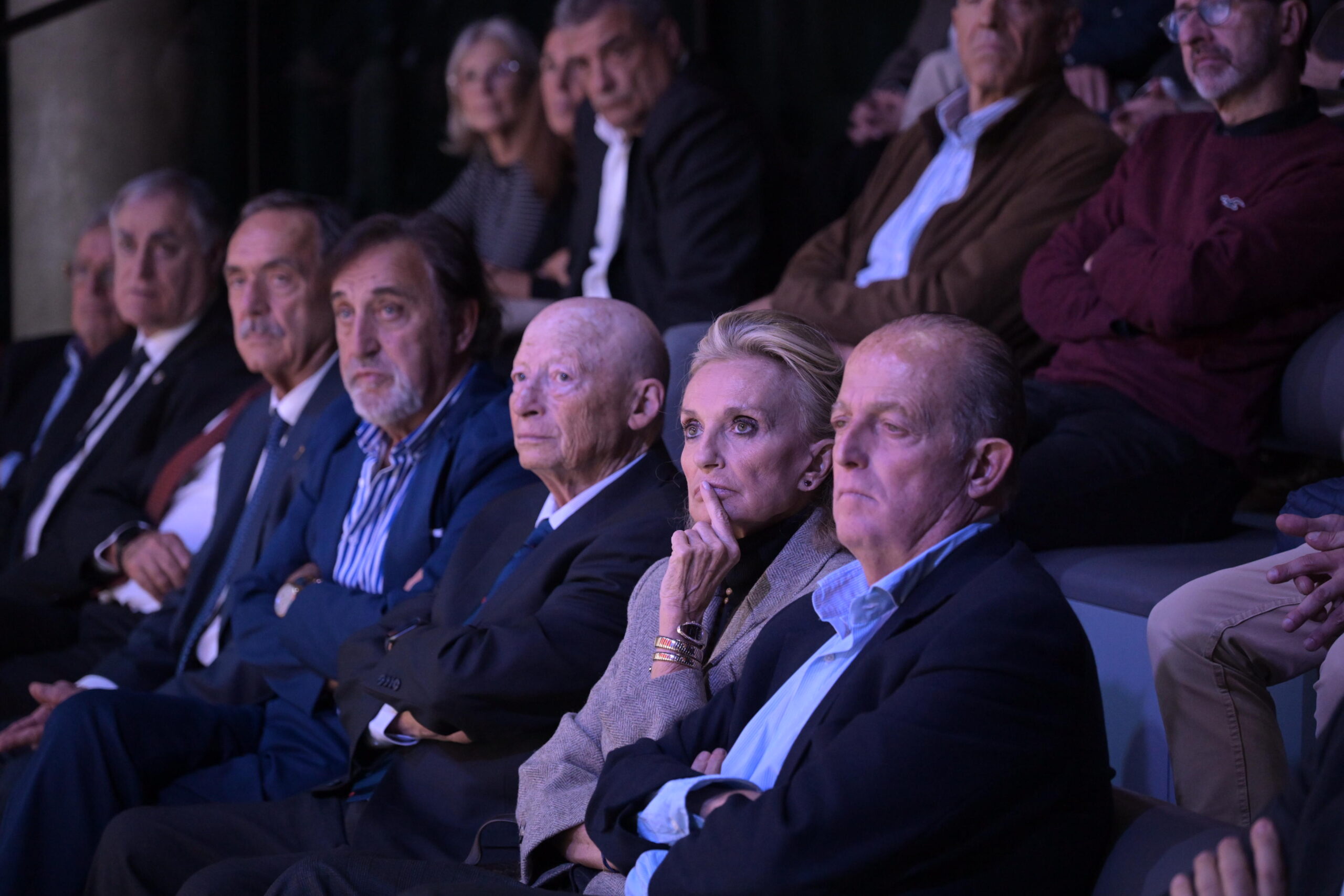
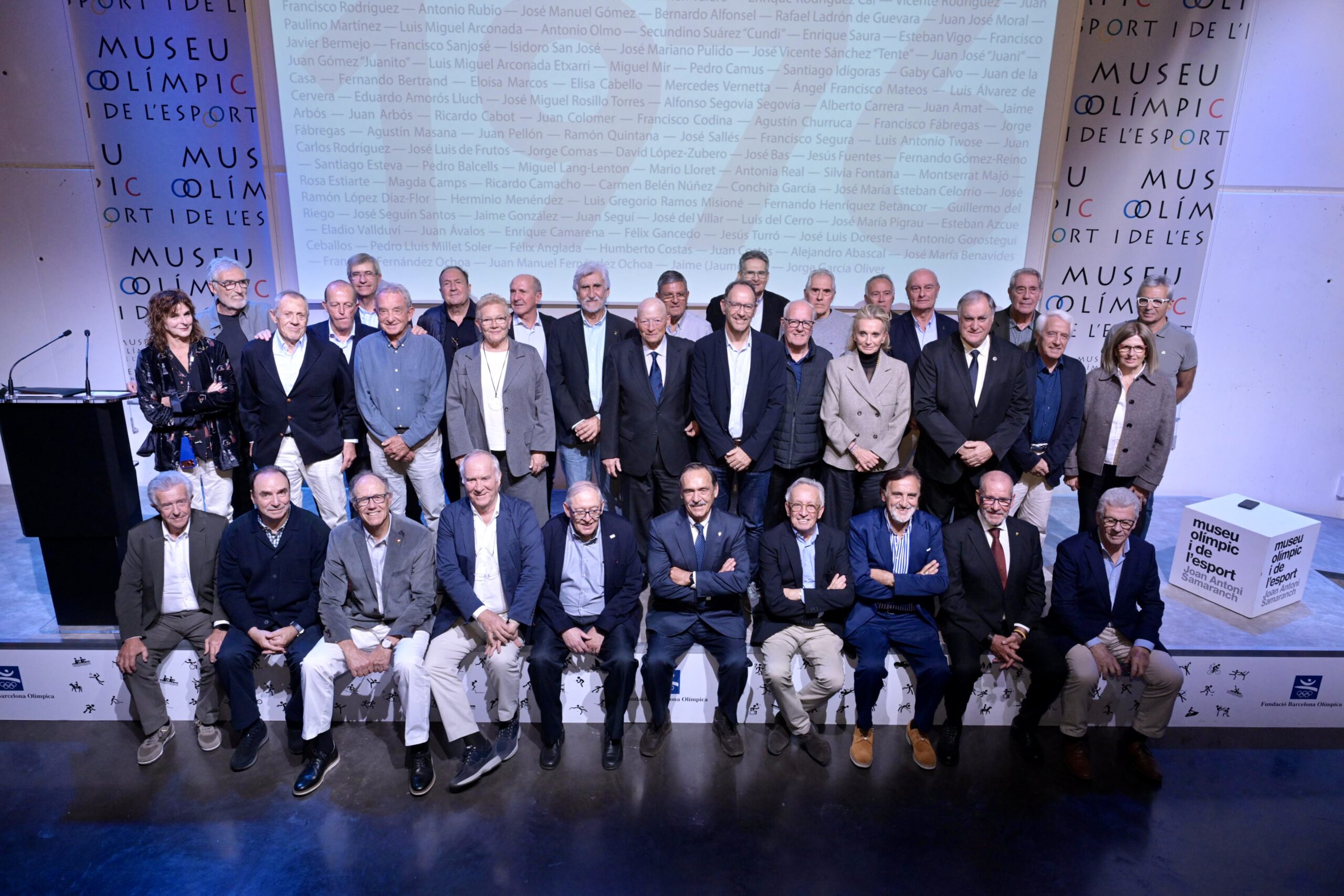
The welcome was given by the director of the Fundació Barcelona Olímpica, Francesc Terrón, and the event included a message from the president of the Spanish Olympic Committee, Alejandro Blanco. The event, hosted by Aitor Lagunas, brought together the patron of the Fundació Barcelona Olímpica, Maria Teresa Samaranch, and a large group of members of the Spanish team, including athletes, referees and officials who attended Montreal 1976 and the Innsbruck 1976 Winter Games, who shared their experiences and stories with the audience.
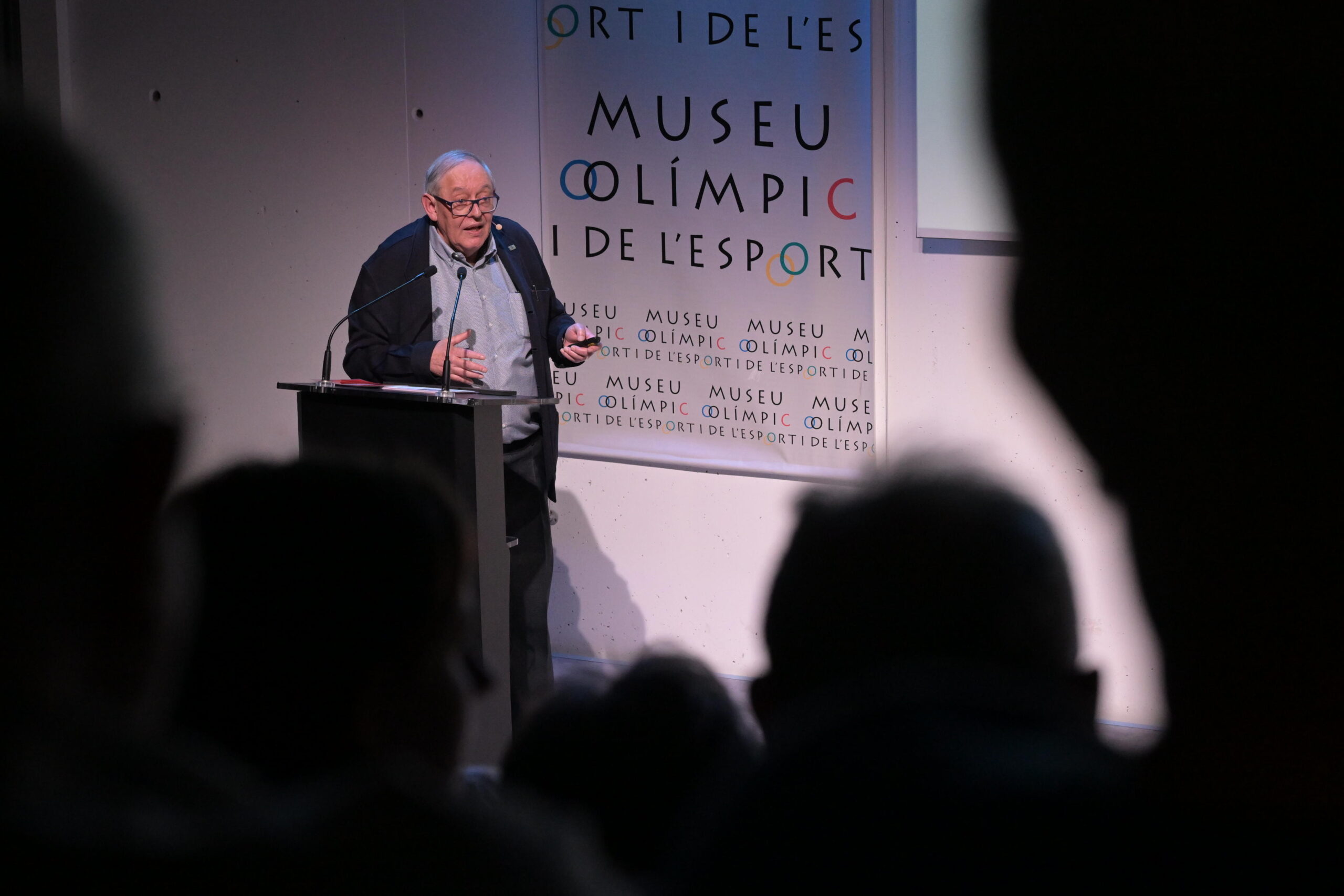
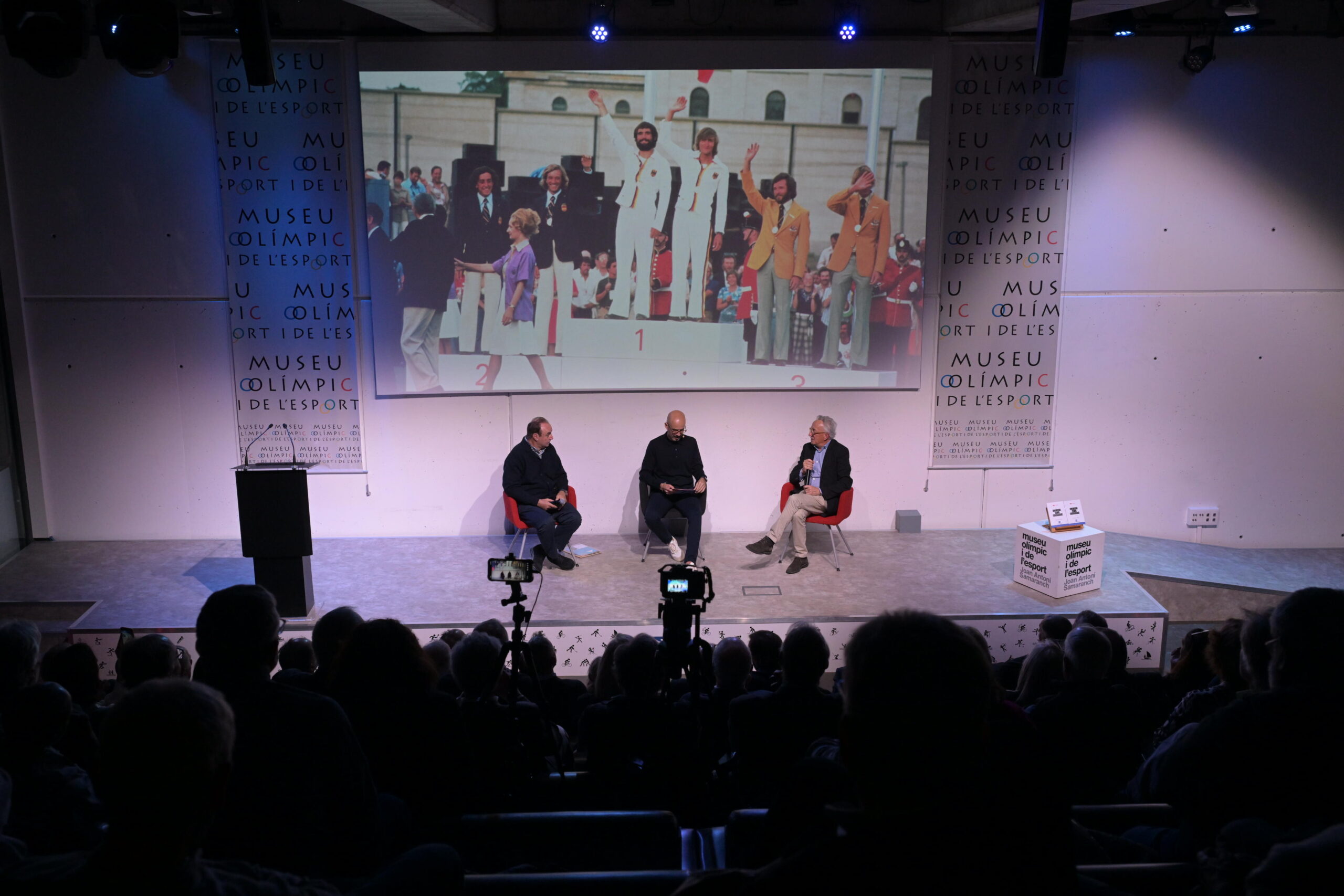
Journalist and author Joan Manel Surroca presented the book “Els Jocs de la Discòrdia”, published by the Fundació Barcelona Olímpica. Surroca reviewed the historical context of Games marked by political tensions, which provides the backdrop to the stories of the athletes in the room.
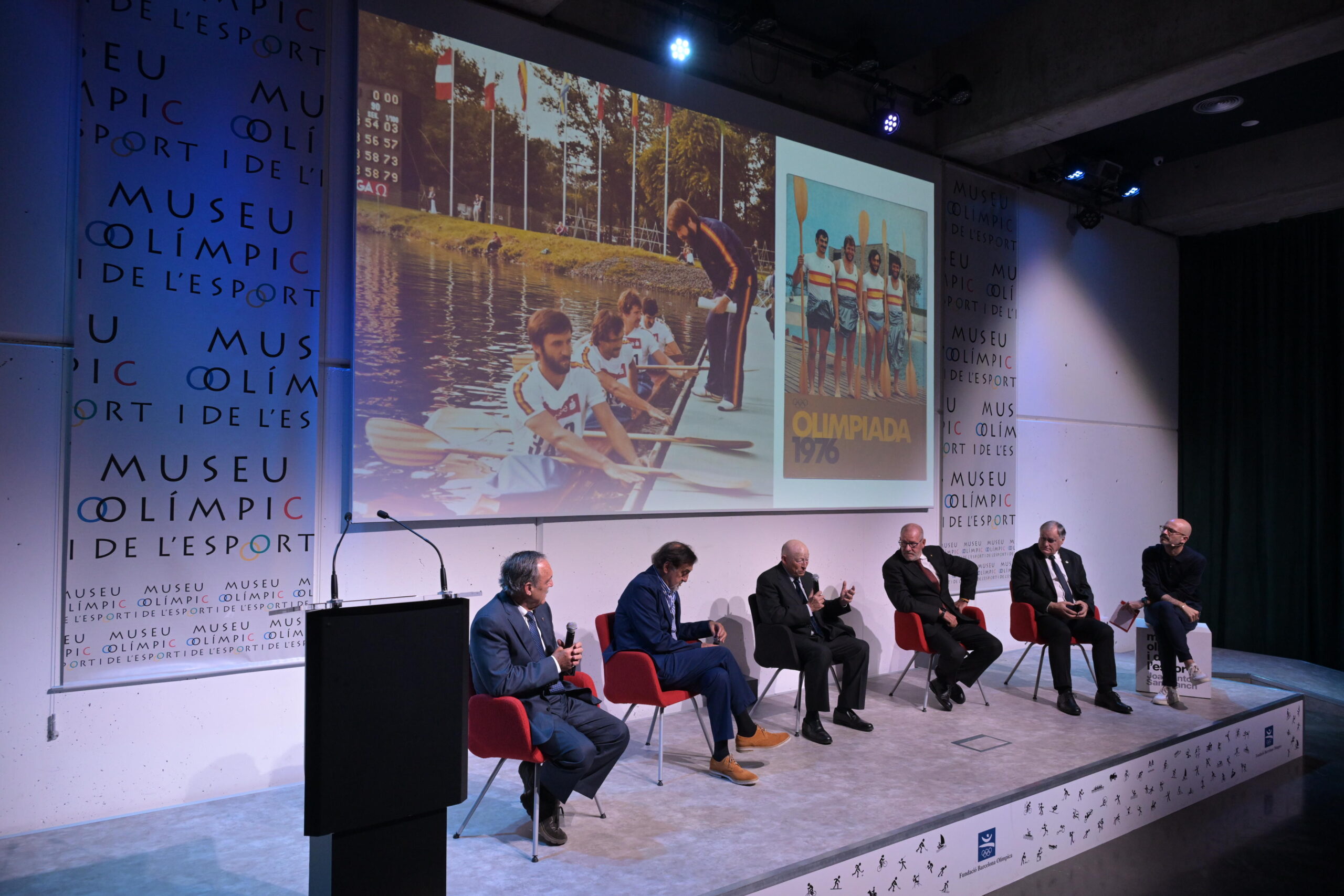
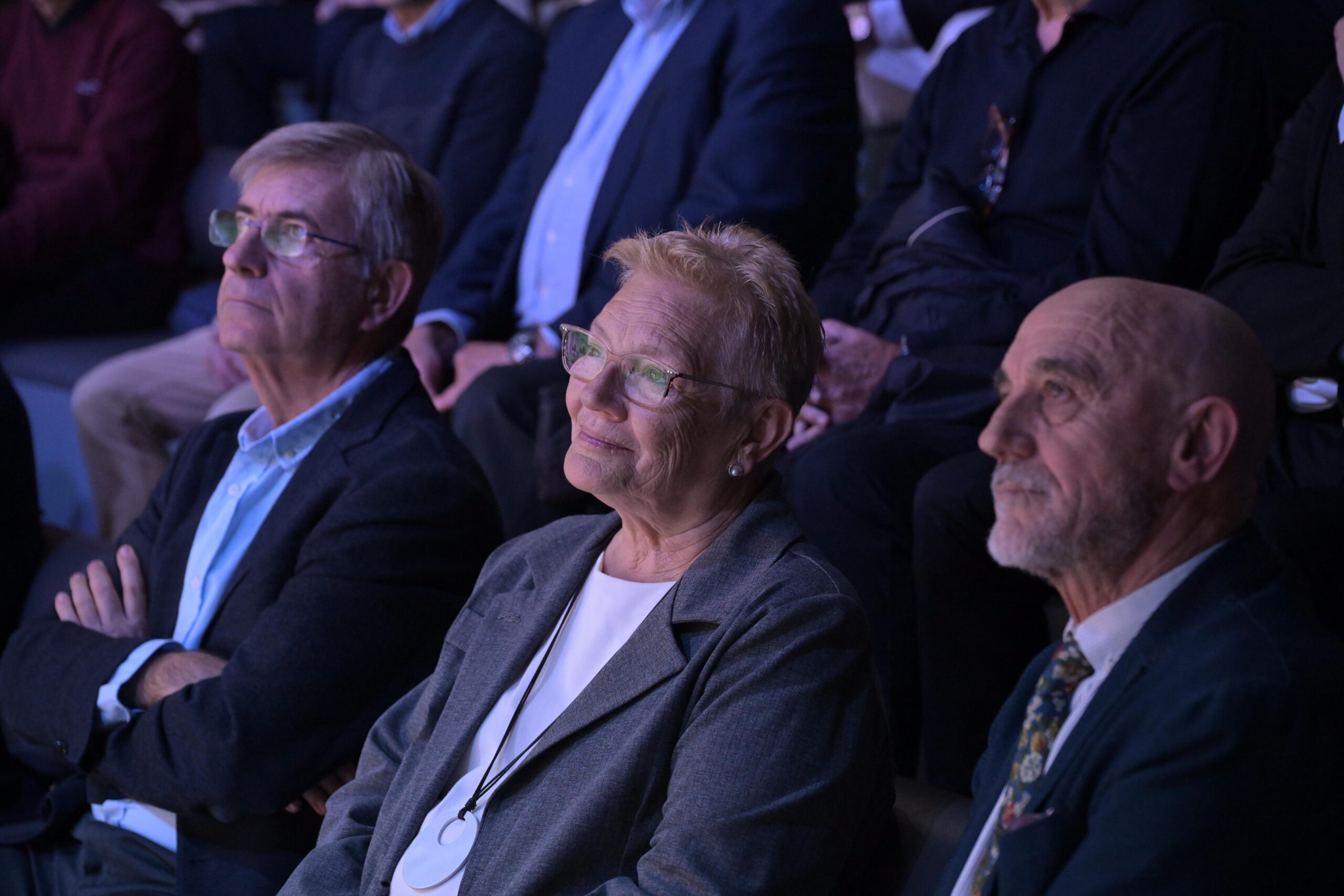
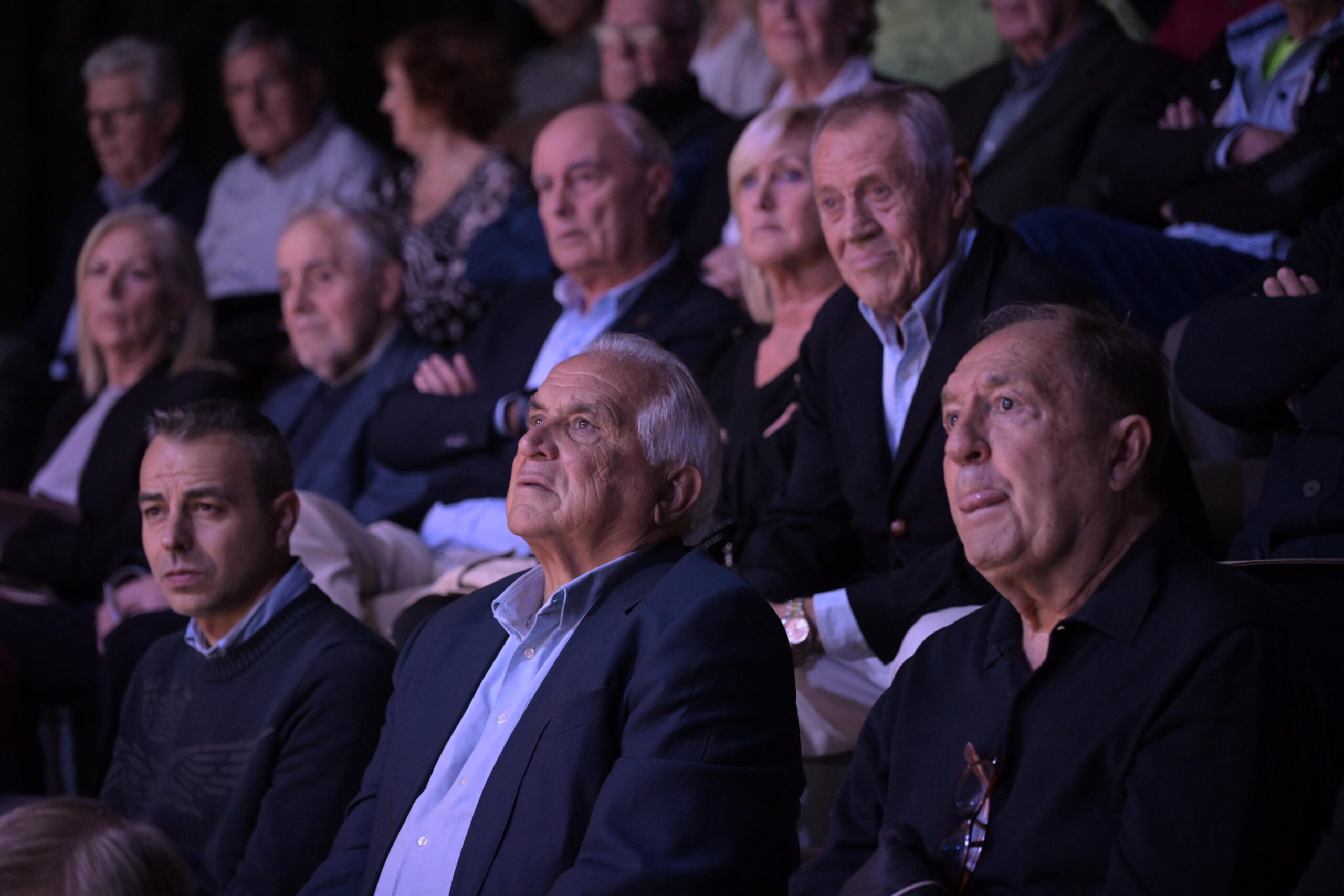
After the presentation, it was time for the main guests: skier Juan Manuel Fernández Ochoa, who competed at Innsbruck 1976; Rosa Valero, who spoke in memory of her sister, athlete Carme Valero; silver medallist in the 470 class in sailing Piti Millet, together with journalist Miquel Àngel Roselló; swimmer Sylvia Fontana; field hockey players Francesc Segura, Agustín Masana and Joan Arbós; shooter Eladi Vallduví; and footballers Miquel Mir and Tente Sánchez.
The closing remarks were given by the silver medallists in the K-4 1,000 m canoeing event José María Esteban Celorrio, José Ramón López Díaz-Flor, Herminio Menéndez and Luis Gregorio Ramos, accompanied by team manager Manolo Fonseca.
Games marked by political tension
The 1976 Montreal Games were defined by political tension: the dispute between China and Taipei and the boycott by some thirty African countries, which began the era of Olympic boycotts. They were also marked by a huge deficit of around one billion Canadian dollars, paid off only in 2006, which earned the stadium the nickname “The Big Owe”.
In sporting terms, they saw Nadia Comăneci’s first perfect 10, the rise of East Germany (90 medals, 40 of them gold) and record female participation (20.7%).
Spain took part with 113 athletes, only 10 of them women, and won two silver medals and ten Olympic diplomas. The silvers came in the K-4 1,000 m canoeing event and in the 470 class in sailing, and Carme Valero was the first Spanish woman athlete to compete in an Olympic Stadium.
The event ended with a moving family photo.
Share